

My camera sits at home more than I would like to admit. It is charged, it is ready, and it stays where it is. Almost everything I have shot over the past year has been mobile photography, made on the phone in my pocket rather than the body I saved up for, not because the phone is the better tool but because it was with me when the light did something worth keeping. The best camera is the one you did not have to decide to bring.
This is not a confession unique to me. Almost every working photographer I know shoots more frames on a phone now than on the body they paid real money for, and most hobbyists never owned the second option to begin with. Which makes the interesting question a different one than the internet keeps answering. Not which phone to buy. What to do with the one already in your hand. In mobile photography, light and composition decide the photograph and hardware decides very little. A well lit, well framed shot on an older phone will beat a badly lit one on the newest flagship every time.
Does phone camera quality actually matter?
Less than the marketing suggests. Sensor size sets a hard ceiling on what a phone can recover from bad light, and no phone has a large sensor. A phone sensor is a fingernail behind a lens the size of a lentil, so feed it flat or harsh light and no amount of computational processing will invent detail that never reached it.
We are now at a point where a phone will happily hand you two hundred megapixels of a badly lit wall.
Which sounds like a limitation and is actually the most useful thing a phone teaches you. A large sensor lets you be lazy about light. A phone does not. It makes you solve the problem before you press the shutter, and that habit carries over to every camera you touch afterwards.
What is the best time of day for mobile photography?
The hour after sunrise and the hour before sunset, because the light is soft and directional. Overcast days work well from morning to evening. Direct midday sun is the hardest condition for a phone sensor to handle.

That is the short answer and it is on every photography site in the world, so here is the part that actually changed how I shoot.
Golden hour is not the same length everywhere, and nobody tells you that. In Chittagong in December the good light lingers, soft and long, and you can work a location properly. In late May it drops behind the hills almost as soon as it arrives. I now arrive early and stand where I intend to shoot before the light turns, instead of wandering around hunting for a subject while the best twenty minutes of the day burn off. The single biggest improvement in my phone work came from planning arrival time, not from anything I did with the phone.
How do you shoot on a phone in overcast light?
Treat it as your best light rather than your fallback. A thick grey sky is a softbox the size of the city, giving even illumination with no squinting and no hard nose shadow, and colour goes deeper instead of washing out.

Monsoon overcast is the most underrated light we get here. I found it properly by accident, setting a plate near a window on a heavy grey afternoon and getting a result I could not have matched at noon in full sun with any amount of effort. Most people put the phone away when the sky goes flat. That is exactly when I take it out.
Backlight is the other one worth learning, and it is where phone photography gets genuinely beautiful. Rim light on a shoulder, hair going translucent, steam off a cup catching fire. The problem is that automatic exposure reads the bright background, panics, and either leaves your subject a grey lump or blows the background to white nothing. Tap the bright area to set exposure there, then drag the sun icon down until the highlights hold. You will lose the shadows. Let them go. A clean silhouette is a photograph. A muddy compromise between the two is not.
Night is the condition I still find hardest, and the difficulty is color rather than darkness. Evenings around here mix cool white tube light, warm sodium street light, and the green cast that fluorescent throws across a tea stall interior. Auto white balance splits the difference and everything looks slightly ill. When I can, I move so one source dominates. When I cannot, I stop fighting the color and start using it, because a face lit by one color against a background lit by another is not a mistake, it is the photograph.
What are the best composition techniques for Mobile Photography?
Get closer, get lower, shoot through something, and leave empty space in the frame. Phone lenses are wide, and wide lenses shrink distant subjects into unimportance, so most weak phone photos are weak because the photographer stood too far back.
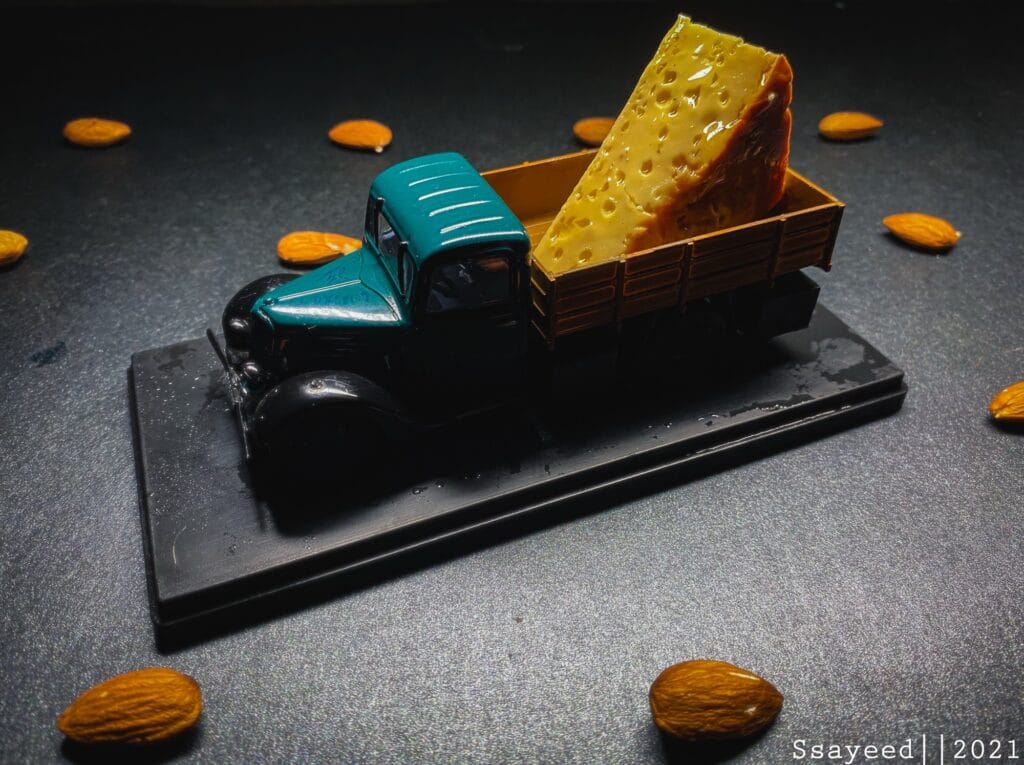
Walking three steps closer fixes a frame faster than any edit I know. Dropping the phone to waist height, or resting it on the ground, turns an ordinary street into something with weight.
Shooting through things is the technique I use most and mention least. Chittagong hands you frames constantly: the gap between two parked rickshaws, a doorway, the window of a bus. Putting a layer between viewer and subject makes a flat scene feel like a place someone is standing in.
Then there is subtraction, which matters more than any rule about thirds. Turn the grid on if it is off, use it for horizons and for pushing a face off centre, and then spend your attention on the edges of the frame instead. Before shooting I look around the border and ask what is in there that I do not need. A bright patch in a corner, a stray limb, a signboard pulling the eye. The answer is almost always to move slightly rather than to crop later. And stop filling every inch. A small figure against a large plain wall will hold attention far longer than the same figure buried in a busy frame.
How do light and composition work together?
They are taught as two skills and they are one decision. Where the light falls determines what belongs in the frame, and how you frame determines whether that light reads at all. In practice this means finding the light first and letting the angle follow, rather than choosing a composition and hoping the light cooperates.

It took me a long time to work in that order. For years I would see a subject, decide how I wanted to frame it, and then feel vaguely disappointed by the result without knowing why. The frame was fine. The light was not doing anything, so there was nothing in the frame to build around.
What changed my thinking was noticing how much moves when nothing moves. Shift your position by a step or two and the same subject in the same light suddenly has an edge running along it, or loses one. Turn something a quarter turn and a dull sheen becomes a bright line. The composition has not changed at all in those moments. Only the relationship between the light and the thing has, and that relationship is what you are actually photographing.
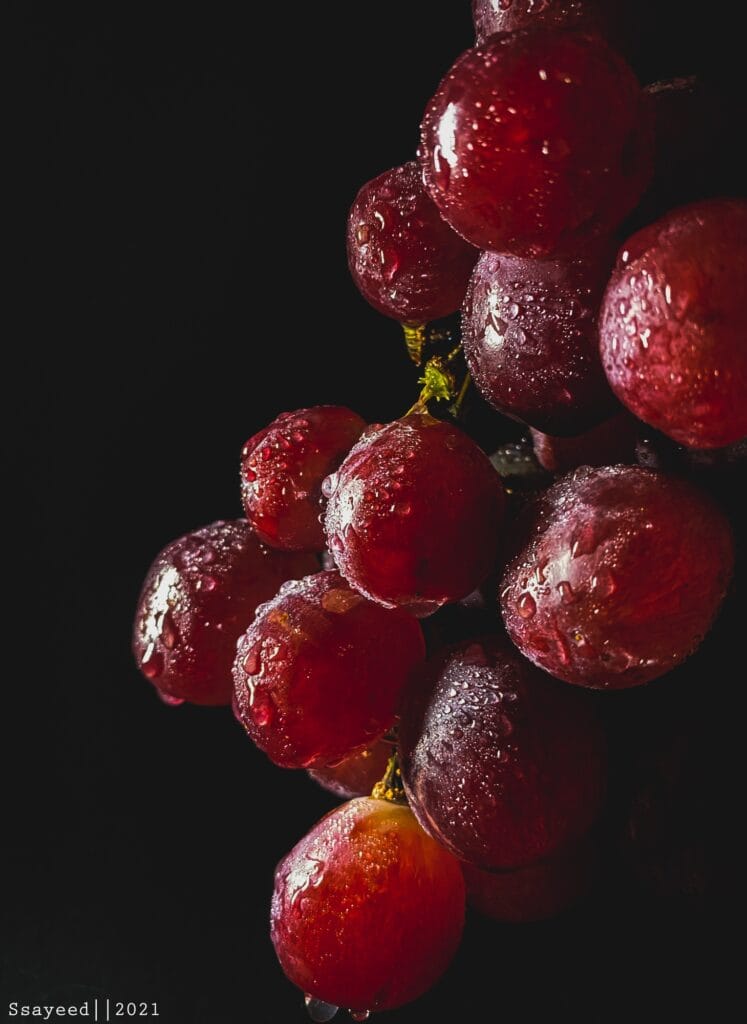
Then there is the shadow, which I ignored for far too long. When light is soft the shadow is short and stays out of your way, and you can frame more or less freely. When it comes hard from one direction the shadow stretches out, takes a shape, and becomes the second subject whether you planned for it or not. Some of my better phone frames are ones where the shadow is doing more work than the thing casting it. You cannot make that photograph without deciding about light before you decide about framing.
The exercise that teaches this faster than any tutorial
Shoot one location at three times of day. Same spot, same subject, morning, midday, and just before sunset. Do not edit them. Put the three side by side and look.
It removes every variable except the one that matters, and it will teach you more about light in an afternoon than a month of watching gear reviews. The phone in your pocket is already capable of more than you are currently asking of it.
Frequently asked questions
- Does a better phone camera make better photos? Only at the margins, mainly in low light and dynamic range. Light and framing sit above hardware in the order of importance, and a well lit, well composed photo on a three year old phone will beat a poorly lit one on the newest flagship.
- What is the best time of day for mobile photography? The hour after sunrise and the hour before sunset give soft directional light. Overcast days are excellent throughout, especially for portraits and food. Direct midday sun is the hardest light for a phone sensor.
- Should I use my phone’s pro or manual mode? Usually not. Tapping to set focus and dragging exposure up or down covers most situations and is much faster. Manual mode earns its place at night, when you want control over shutter speed and white balance.
- How do I stop backlit phone photos from looking washed out? Tap the brightest part of the scene to expose for it, then pull exposure down until highlights recover. Accept that the subject goes dark and commit to the silhouette rather than trying to save both.
- Can you do professional work on a phone? For some purposes yes. Social content, documentary and street work, and many editorial uses are well within reach. The limits show up in low light, in heavy cropping, and in large print, which are all sensor size problems rather than skill problems.
Discover more from sayeedbm.com
Subscribe to get the latest posts sent to your email.